Vego Garden Metal Raised Bed
$$$Powder-coated galvanized steel, 17 inches tall, modular and modern — built to last many seasons.
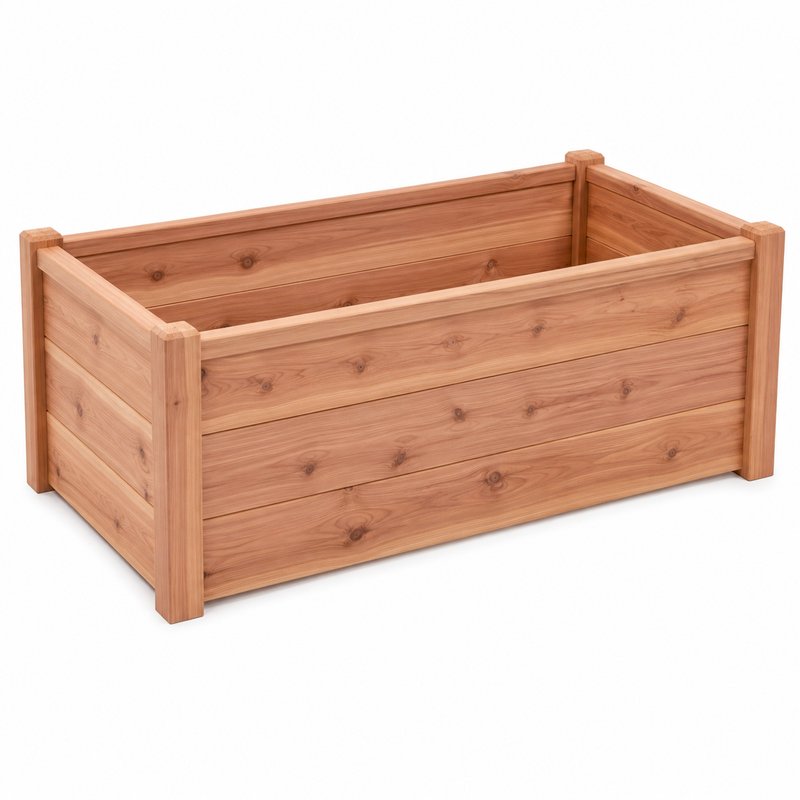
Cedar, galvanized steel, and elevated planters that give you better soil and an easier back.
A raised bed is the fastest way to a productive garden: you control the soil from day one, drainage improves, weeds drop off, and tall designs save your knees and back. The choice comes down to material and height — cedar for the classic look, galvanized steel for longevity, elevated planters for patios. Once the bed's built, see seed starting on GreenhouseGuide to fill it.
| Product | Best for | Key spec | Tier | |
|---|---|---|---|---|
| Greenes Fence Cedar Raised Bed | the classic first bed | WOOD Cedar | $$$ | Check |
| Vego Garden Metal Raised Bed | modern & long-lasting | METAL Galvanized | $$$ | Check |
| Birdies Tall Garden Bed | deep-root & back-friendly | METAL Aluzinc | $$$ | Check |
| Keter Easy Grow Elevated Planter | patios & small spaces | HEIGHT Waist-high | $$$ | Check |
| Land Guard Galvanized Raised Bed | best value metal bed | METAL Galvanized | $$$ | Check |
Powder-coated galvanized steel, 17 inches tall, modular and modern — built to last many seasons.
Deep beds that spare your back entirely and hold serious root depth for roots and perennials.
A waist-high resin planter with a built-in reservoir — ideal for balconies, patios, and tight spaces.
A budget galvanized kit that bolts together quickly — a lot of bed for the money.
Cedar and redwood resist rot naturally and look great but cost more; galvanized steel lasts the longest and won't warp; untreated pine is cheapest but breaks down in a few years. Avoid old pressure-treated lumber for food gardens.
Six to eight inches works for greens, herbs, and most vegetables. Go twelve inches or more for carrots, potatoes, tomatoes, and perennials that want to root deep.
A common mix is roughly equal parts quality topsoil, compost, and an aeration material like coarse vermiculite or bark fines. Skip filling a deep bed with pure bagged potting mix — it's expensive and compacts.